Wednesday, 16 January 2019

NEW WORK IN CELL CYCLE


The epidermal polyploidy issue.


In spite of a growing body of evidence indicating that human keratinocytes and other human cell types become polyploid as they differentiate, this process is still often misregarded.

Here we discuss the importance of this phenomenon in a cell cycle journal.

https://www.ncbi.nlm.nih.gov/pubmed/30636498
https://www.tandfonline.com/doi/full/10.1080/15384101.2019.1568766

Journal

Cell Cycle 

Latest Articles

Polyploidy and the mitosis path to epidermal cell fate

, ORCID Icon &
Received 23 Oct 2018, Accepted 23 Dec 2018, Accepted author version posted online: 13 Jan 2019
Download citation
https://doi.org/10.1080/15384101.2019.1568766


Thursday, 8 November 2018

NEW WORK IN HEAD AND NECK


2018 Oct 12. doi: 10.1002/hed.25376. [Epub ahead of print]

Response of head and neck epithelial cells to a DNA damage-differentiation checkpoint involving polyploidization.

Abstract

BACKGROUND:

Squamous epithelia of the head and neck undergo continuous cell renewal and are continuously exposed to mutagenic hazard, the main cause of cancer. How they maintain homeostasis upon cell cycle deregulation is unclear.

METHODS:

To elucidate how head and neck epithelia respond to cell cycle stress, we studied human keratinocytes from various locations (oral mucosa, tonsil, pharynx, larynx, and trachea). We made use of genotoxic or mitotic drugs (doxorubicin [DOXO], paclitaxel, and nocodazole), or chemical inhibitors of the mitotic checkpoint kinases, Aurora B and polo-like-1. We further tested the response to inactivation of p53, ectopic cyclin E, or to the chemical carcinogen 7,12-dimethylbenz[a]anthracene (DMBA).

RESULTS:

All treatments provoked DNA damage or mitosis impairment and strikingly triggered squamous differentiation and polyploidization, resulting in irreversible loss of clonogenic capacity.

CONCLUSION:

Keratinocytes from head and neck epithelia share a cell-autonomous squamous DNA damage-differentiation response that is common to the epidermis and might continuously protect them from cancer.

Thursday, 20 September 2018

NEW WORK ON CANCER-ASSOCIATED FIBROBLASTS -OPEN ACCESS-


Led by the Head and Neck Group of the Instituto Universitario de Oncología del Principado de Asturias (IUOPA), University of Oviedo.

In Cancers

http://www.mdpi.com/2072-6694/10/9/334,  https://www.ncbi.nlm.nih.gov/pubmed/30227608

2018 Sep 17;10(9). pii: E334. doi: 10.3390/cancers10090334.

Factors Secreted by Cancer-Associated Fibroblasts that Sustain Cancer Stem Properties in Head and Neck Squamous Carcinoma Cells as Potential Therapeutic Targets.

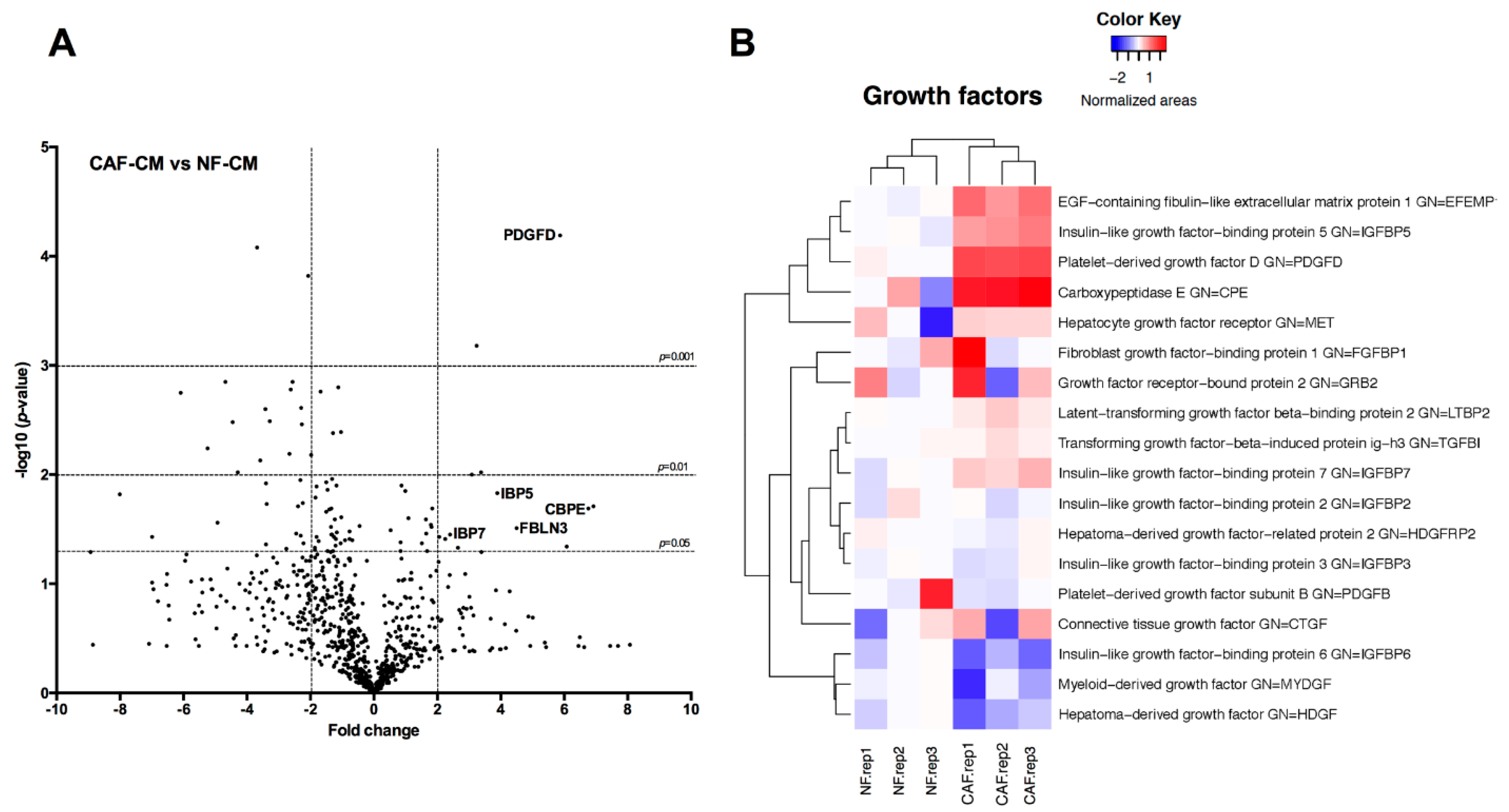
This study investigates for the first time the crosstalk between stromal fibroblasts and cancer stem cell (CSC) biology in head and neck squamous cell carcinomas (HNSCC), with the ultimate goal of identifying effective therapeutic targets. The effects of conditioned media from cancer-associated fibroblasts (CAFs) and normal fibroblasts (NFs) on the CSC phenotype were assessed by combining functional and expression analyses in HNSCC-derived cell lines. Further characterization of CAFs and NFs secretomes by mass spectrometry was followed by pharmacologic target inhibition. We demonstrate that factors secreted by CAFs but not NFs, in the absence of serum/supplements, robustly increased anchorage-independent growth, tumorsphere formation, and CSC-marker expression. Modulators of epidermal growth factor receptor (EGFR), insulin-like growth factor receptor (IGFR), and platelet-derived growth factor receptor (PDGFR) activity were identified as paracrine cytokines/factors differentially secreted between CAFs and NFs, in a mass spectrometry analysis. Furthermore, pharmacologic inhibition of EGFR, IGFR, and PDGFR significantly reduced CAF-induced tumorsphere formation and anchorage-independent growth suggesting a role of these receptor tyrosine kinases in sustaining the CSC phenotype. These findings provide novel insights into tumor stroma–CSC communication, and potential therapeutic targets to effectively block the CAF-enhanced CSC niche signaling circuit.


Wednesday, 11 July 2018

CONTRATO PREDOCTORAL PARA CUATRO Meses- 2018


A PARTIR DE OCTUBRE 2018

Se integrará en un proyecto puntero en  pronóstico personalizado del cáncer.


Requisitos:

Título de Master

Nota media de Universidad superior a 8.

Contactar: 

agandarillaslab@gmail.com


BIBLIOGRAFÍA ASOCIADA


>Gandarillas et al. Cell Death Differ.
Mammalian endoreplication emerges to reveal a potential developmental timer.
2018 Mar;25(3):471-476. 


>Alonso-Lecue et al. Cell Death Dis. 
Inefficient differentiation response to cell cycle stress leads to genomic instability and malignant progression of squamous carcinoma cells.
2017 Jun 29;8(6):e2901. 

>Molinuevo R, Freije A, de Pedro I, Stoll SW, Elder JT, Gandarillas A. Oncogene.
FOXM1 allows human keratinocytes to bypass the oncogene-induced differentiation checkpoint in response to gain of MYC or loss of p53.
doi:10.1038/onc.2016.262


>Gandarillas et al, 2015. Molecular and Cellular Oncology. 
The mitosis-differentiation checkpoint, another guardian of the epidermal genome. 
Jan 21;2(3):e997127. doi: 10.1080/23723556.2014.997127.
http://www.tandfonline.com/doi/full/10.1080/23723556.2014.997127


>Freije et al, 2014. Cell Reports.
Inactivation of p53 in Human Keratinocytes Leads to Squamous Differentiation and Shedding via Replication Stress and Mitotic Slippage.
2014 Nov 20; 9(4):1349-60. doi: 10.1016/j.celrep.2014.10.012.
http://www.cell.com/cell-reports/abstract/S2211-1247%2814%2900866-3

Friday, 11 May 2018

PREVENCIÓN DEL CÁNCER DE ÚTERO


Una de nuestras misiones es estudiar y divulgar la importancia del cáncer evitable. Esto es, el cáncer que se podría prevenir solamente cambiando los hábitos de conducta o por otros medios.

Riesgos claros y bien conocidos que hemos tratado abundantemente son la luz ultravioleta, el tabaco, el alcohol.

Hoy incluimos un artículo sobre la vacunación contra el virus del papiloma humano (HPV en inglés). Este virus es responsable de la mayor parte de los casos de cáncer de útero, pero también de una parte del cáncer de cabeza y cuello y de otras localizaciones.

EL PAÍS

Una década de la vacuna contra el virus del papiloma humano: desmontando mitos

Recientes estudios epidemiológicos destacan la efectividad de la vacuna previniendo infecciones, pero solo el 3,5% de las mujeres han sido vacunadas


Wednesday, 7 February 2018

CONFERENCIA AECC EN EL ATENEO DE SANTANDER


OBTENCIÓN DE AYUDA DEL INSTITUTO CARLOS III-FIS


El doctor Alberto Gandarillas, investigador principal del proyecto y responsable del grupo de investigación 'Ciclo celular, células madre y cáncer' del IDIVAL, ha explicado en una nota de prensa remitida por la Consejería de Sanidad que anteriores estudios del grupo han encontrado una regulación anticancerosa nueva que impide el desarrollo de células precancerosas en la piel y también en boca y garganta.
Hasta ahora, los tumores de piel, boca y garganta (cabeza y cuello en su denominación clínica), se han estudiado de manera independiente. "El objetivo de nuestro proyecto es encontrar las alteraciones comunes de estos tumores que permiten a las células cancerosas evadir el freno que les impide multiplicarse y desarrollarse", ha apuntado.
Para ello, el proyecto prevé el estudio y la caracterización de la célula tumoral y de su comportamiento, de forma personalizada, a través de búsquedas génicas y la utilización de explantes tumorales in vitro (cultivo de células). Según el doctor Gandarillas, "nuestro proyecto busca aportar nuevos instrumentos y marcadores para el pronóstico y el tratamiento en el ámbito clínico del cáncer epidermoide".
Ha indicado que se trata de un tipo de cáncer que surge en diversos órganos del cuerpo, como piel, cavidad oral, faringe, laringe, esófago, cuello del útero y pulmón, siendo por lo general agresivo y con mal tratamiento. De hecho, cuando se detecta en el pulmón representa el 25% de los tumores malignos.
El doctor Gandarillas también se ha referido a la importancia de la inmunoterapia del cáncer, "que consiste en potenciar el sistema inmune para que pueda destruir las células tumorales" y que "está teniendo buenos resultados en fases iniciales y en algunos tumores que no tenían tratamiento".
En este sentido, ha expresado su interés en la relación que parece existir entre la capacidad del sistema inmune para destruir células tumorales y el grado de alteraciones genéticas que presenta el cáncer epidermoide.
Junto al doctor Gandarillas, en este proyecto participan el doctor Carmelo Morales, jefe del Servicio de Otorrinolaringología de Valdecilla; la doctora María Fe García, jefe del Servicio de Cirugía Maxilofacial; el doctor Juan Ramón Sanz, jefe de sección del Servicio de Cirugía Plástica y Reparadora; el doctor Ernesto de Diego, jefe de sección del Servicio de Cirugía Pediátrica; y la doctora Marta Mayorga, del Servicio de Anatomía Patológica.
También colaboran residentes de estos servicios, profesionales del laboratorio de investigación del IDIVAL, biólogas y biotecnólogas.
El grupo de investigación 'Ciclo celular, células madre y cáncer' del IDIVAL, incorporado desde el año 2008 al programa del Instituto de Salud Carlos III, ha realizado estudios sobre las bases moleculares de la homeostasis y el cáncer epitelial de piel, publicando numerosos artículos en revistas científicas de impacto.
A través de la tecnología de cultivos de células primarias, también han realizado colaboraciones en el estudio de pacientes pediátricos con síndromes por alteraciones del desarrollo.

Friday, 2 February 2018

NEW WORK IN CELL DEATH AND DIFFERENTIATION -OPEN ACCESS


https://www.nature.com/articles/s41418-017-0040-0

Mammalian endoreplication emerges to reveal a potential developmental timer


Published online:


Abstract

Among the most intriguing and relevant questions in physiology is how developing tissues correctly coordinate proliferation with differentiation. Endoreplication, in a broad sense, is a consequence of a cell division block in the presence of an active cell cycle, and it typically occurs as cells differentiate terminally to fulfill a specialised function. Until recently, endoreplication was thought to be a rare variation of the cell cycle in mammals, more common in invertebrates and plants. However, in the last years, endoreplication has been uncovered in various tissues in mammalian organisms, including human. A recent report showing that cells in the mammary gland become binucleate at lactation sheds new insight into the importance of mammalian polyploidisation. We here propose that endoreplication is a widespread phenomenon in mammalian developing tissues that results from an automatic, robust and simple self-limiting mechanism coordinating cell multiplication with differentiation. This mechanism might act as a developmental timer. The model has implications for homeostasis control and carcinogenesis.

Monday, 3 July 2017

NEW WORK IN CELL DEATH AND DISEASE - OPEN ACCESS


We report a paradoxical contribution of the differentiation signal to genomic instability and aggressiveness of squamous cancer (SCC).

https://www.nature.com/cddis/journal/v8/n6/full/cddis2017259a.html

Inefficient differentiation response to cell cycle stress leads to genomic instability and malignant progression of squamous carcinoma cells

Pilar Alonso-Lecue1,11, Isabel de Pedro1,11, Vincent Coulon2, Rut Molinuevo1, Corina Lorz3, Carmen Segrelles3, Laura Ceballos1, Daniel López-Aventín4, Ana García-Valtuille5, José M Bernal1,6, Francisco Mazorra5,7, Ramón M Pujol4,8, Jesús Paramio3, J Ramón Sanz1,5,9, Ana Freije1, Agustí Toll4,8 and Alberto Gandarillas1,10

Abstract


Unfortunately we are unable to provide accessible alternative text for this. If you require assistance to access this image, please contact help@nature.com or the author
Squamous cell carcinoma (SCC) or epidermoid cancer is a frequent and aggressive malignancy. However in apparent paradox it retains the squamous differentiation phenotype except for very dysplastic lesions. We have shown that cell cycle stress in normal epidermal keratinocytes triggers a squamous differentiation response involving irreversible mitosis block and polyploidisation. Here we show that cutaneous SCC cells conserve a partial squamous DNA damage-induced differentiation response that allows them to overcome the cell division block. The capacity to divide in spite of drug-induced mitotic stress and DNA damage made well-differentiated SCC cells more genomically instable and more malignant in vivo. Consistently, in a series of human biopsies, non-metastatic SCCs displayed a higher degree of chromosomal alterations and higher expression of the S phase regulator Cyclin E and the DNA damage signal γH2AX than the less aggressive, non-squamous, basal cell carcinomas. However, metastatic SCCs lost the γH2AX signal and Cyclin E, or accumulated cytoplasmic Cyclin E. Conversely, inhibition of endogenous Cyclin E in well-differentiated SCC cells interfered with the squamous phenotype. The results suggest a dual role of cell cycle stress-induced differentiation in squamous cancer: the resulting mitotic blocks would impose, when irreversible, a proliferative barrier, when reversible, a source of genomic instability, thus contributing to malignancy.


Friday, 23 June 2017

CURSO DE VERANO EN SANTANDER - EL CRECIENTE IMPACTO DEL CÁNCER DE PIEL, CABEZA Y CUELLO: UN PROBLEMA EVITABLE DE SALUD PÚBLICA


www.cancer.gov
Un año más organizamos un curso de verano de la Universidad de Cantabria.

En este caso nos centramos en los factores de riesgo del Cáncer de Piel y Cabeza y Cuello, fundamentalmente alcohol y tabaco.

La información, inscripción y programa, se pueden consultar en la página de Cursos de Verano de la UC,

http://web.unican.es/cursosdeverano/Cursos/Paginas/default.aspx
http://web.unican.es/cursosdeverano/Cursos/Paginas/Detalle-curso.aspx?p_id=2535
Precio reducido por matrícula anticipada (42euros).


Curso: SA.10.1

EL CRECIENTE IMPACTO DEL CÁNCER DE PIEL, CABEZA Y CUELLO: UN PROBLEMA EVITABLE DE SALUD PÚBLICA


DATOS GENERALES

Impartido en: Santander
Lugar: Salón de Grados de la Facultad de Derecho. Avda. Los Castros s/n. Santander
Fecha Inicio: 13/09/2017
Fecha de Fin: 14/09/2017
Limite de plazas: Limitado
Créditos libre configuración en la UC: 1,00
Tarifa: cursos de 15 h.

COLABORADORES

  • ASOCIACIÓN ESPAÑOLA CONTRA EL CANCER (AECC)
  • BRISTOL- MYERS SQUIBB (BMS)
  • MSD ONCOLOGÍA (MERCK)

DIRECTOR/ES

  • GANDARILLAS SOLINIS,ALBERTO
    Responsable de Grupo de Investigación. Instituto de Investigación Marqués de Valdecilla, IDIVAL
  • MORALES ANGULO,CARMELO
    Jefe Servicio Otorrinolaringología del Hospital Universitario Marqués de Valdecilla. Profesor Asociado de la Universidad de Cantabria

OBJETIVOS DEL CURSO

El cáncer de piel (melanoma, carcinoma) y el de cabeza y cuello (boca, garganta) tienen una gran incidencia en nuestras sociedades. El carcinoma de piel, aunque generalmente de buen pronóstico, es el cáncer más frecuente. El melanoma y los cánceres de boca y garganta, menos frecuentes, aun hoy tienen mal pronóstico. El de piel se convierte en la segunda causa de muerte en mujeres entre 20 y 30 años. El de boca y garganta supone 130 mil nuevos casos cada año en la Unión Europea. Sin embargo, la mayor parte de estas neoplasias se podrían erradicar, ya que se hallan asociadas a hábitos de conducta como la exposición al sol, al alcohol o al tabaco. Por estos motivos forman parte de los llamados cánceres prevenibles. A pesar de ello, existe aún en la sociedad gran desconocimiento sobre las causas y la importancia de los hábitos para evitarlas.

Este curso versará sobre su impacto en la sociedad, sus características y los tratamientos actuales. Pero, sobre todo, estará orientado hacia la divulgación y la concienciación, a las estrategias para difundir los riesgos y hábitos en la población, y a las resistencias y problemas que ello encuentra. Reunirá a clínicos, científicos y agentes sociales, en un programa multidisciplinario que se expondrá de manera didáctica.

Está dirigido a profesionales y estudiantes de medicina, de la investigación y de la información, así como a voluntarios de las asociaciones involucradas en estos problemas.

PROFESORES

  • JUAN PABLO RODRIGO TAPIA
    Jefe Grupo de Oncología de Cabeza y Cuello. Hospital Universitario Central de Asturias-HUCA
  • JUANA MARIA GARCIA PEDRERO
    Investigador IUOPA. Hospital Universitario Central de Asturias-HUCA
  • DEL RIO MADRAZO,JOSE ANTONIO
    Médico de Familia. Dr. en Medicina y Cirugía. Centro de Salud Centro. Servicio Cántabro de Salud
  • FREIJE LEON,ANA
    Investigadora. Instituto de Investigación Marqués de Valdecilla, IDIVAL
  • GANDARILLAS SOLINIS,ALBERTO
    Responsable de Grupo de Investigación. Instituto de Investigación Marqués de Valdecilla, IDIVAL
  • GARCIA CASTAÑO,MARIA DE LA ALMUDENA
    Facultativo Oncología. Hospital Universitario Marqués de Valdecilla
  • GARCIA REIJA,MARIA FE
    Facultativo Cirugía Maxilofacial. Hospital Universitario Marqués de Valdecilla
  • MEDIAVILLA ABAD,MIGUEL
    Psicooncólogo. Asociación Española Contra el Cáncer
  • MORALES ANGULO,CARMELO
    Jefe Servicio Otorrinolaringología del Hospital Universitario Marqués de Valdecilla. Profesor Asociado de la Universidad de Cantabria
  • OBESO AGÜERA,SERGIO
    Facultativo. Hospital Universitario Marqués de Valdecilla
  • VILORIA RAYMUNDO,LUIS JAVIER
    Jefe de Sección de Vigilancia Epidemiológica, Dirección General de Salud Pública. Consejería de Sanidad y Servicios Sociales. Gobierno de Cantabria


PROGRAMA
miércoles, 13 de septiembre de 2017
08:45 h. a 09:00 h.
Recepción de participantes
09:00 h. a 10:00 h.
Piel, boca y garganta, el cáncer prevenible
ALBERTO GANDARILLAS SOLINIS
10:00 h. a 11:00 h.
Agresividad del cáncer de cabeza y cuello
CARMELO MORALES ANGULO
11:00 h. a 12:00 h.
Sol, alcohol, tabaco, prevención y manejo del cáncer de piel, cabeza y cuello
MARIA DE LA ALMUDENA GARCIA CASTAÑO
12:00 h. a 13:00 h.
Detección precoz del cáncer oral
MARIA FE GARCIA REIJA
15:00 h. a 16:00 h.
Innovación en el tratamiento del cáncer de cabeza y cuello en el Hospital Marqués de Valdecilla: aplicación de la cirugía robótica
SERGIO OBESO AGÜERA
16:00 h. a 17:00 h.
Vías moleculares del cáncer de piel
ANA FREIJE LEON
17:00 h. a 18:30 h.
Mesa redonda: Investigar e innovar en salud
ANA FREIJE LEON
ALBERTO GANDARILLAS SOLINIS
SERGIO OBESO AGÜERA
jueves, 14 de septiembre de 2017
09:00 h. a 10:00 h.
Estrategias de prevención e información en cáncer
LUIS JAVIER VILORIA RAYMUNDO
10:00 h. a 11:00 h.
Concienciación contra drogodependencia, la principal causa de cáncer de boca y garganta
MIGUEL MEDIAVILLA ABAD
11:00 h. a 12:00 h.
Prevenir el cáncer desde la consulta de atención primaria
JOSE ANTONIO DEL RIO MADRAZO
ALBERTO GANDARILLAS SOLINIS
12:00 h. a 13:00 h.
Mesa redonda: Concienciar y prevenir en cáncer
JOSE ANTONIO DEL RIO MADRAZO
MIGUEL MEDIAVILLA ABAD
CARMELO MORALES ANGULO
LUIS JAVIER VILORIA RAYMUNDO
15:00 h. a 16:00 h.
Virus del papiloma humano (HPV): la transmisión del cáncer
JUAN PABLO RODRIGO TAPIA
16:00 h. a 17:00 h.
Biomarcadores contra el cáncer
JUANA MARIA GARCIA PEDRERO
17:00 h. a 18:30 h.
Mesa redonda: Del laboratorio a la clínica
JUAN PABLO RODRIGO TAPIA
JUANA MARIA GARCIA PEDRERO
ALBERTO GANDARILLAS SOLINIS
18:30 h. a 18:45 h.
Entrega de diplomas

Monday, 19 December 2016

EL ALCOHOL PROVOCA CÁNCER


¿Cuál es la prueba de que beber alcohol causa cáncer?

https://www.cancer.gov/espanol/cancer/causas-prevencion/riesgo/alcohol/hoja-informativa-alcohol

Con base en revisiones extensas de estudios de investigación, hay un fuerte consenso científico de la asociación que hay entre beber alcohol y varios tipos de cáncer (1, 2).  En su Informe sobre Carcinógenos, el Programa Nacional de Toxicología del Departamento de Salud y Servicios Humanos de los Estados Unidos incluye en la lista el consumo de bebidas alcohólicas como conocido carcinógeno humano.  La comprobación de la investigación indica que en cuanto más alcohol bebe una persona, en particular en cuanto más alcohol bebe una persona regularmente con el paso del tiempo, mayor será su riesgo de presentar un cáncer asociado con el alcohol. Con base en los datos de 2009, se calcula que 3,5% de todas las muertes por cáncer en los Estados Unidos (cerca de 19 500) están relacionadas con el alcohol (3).
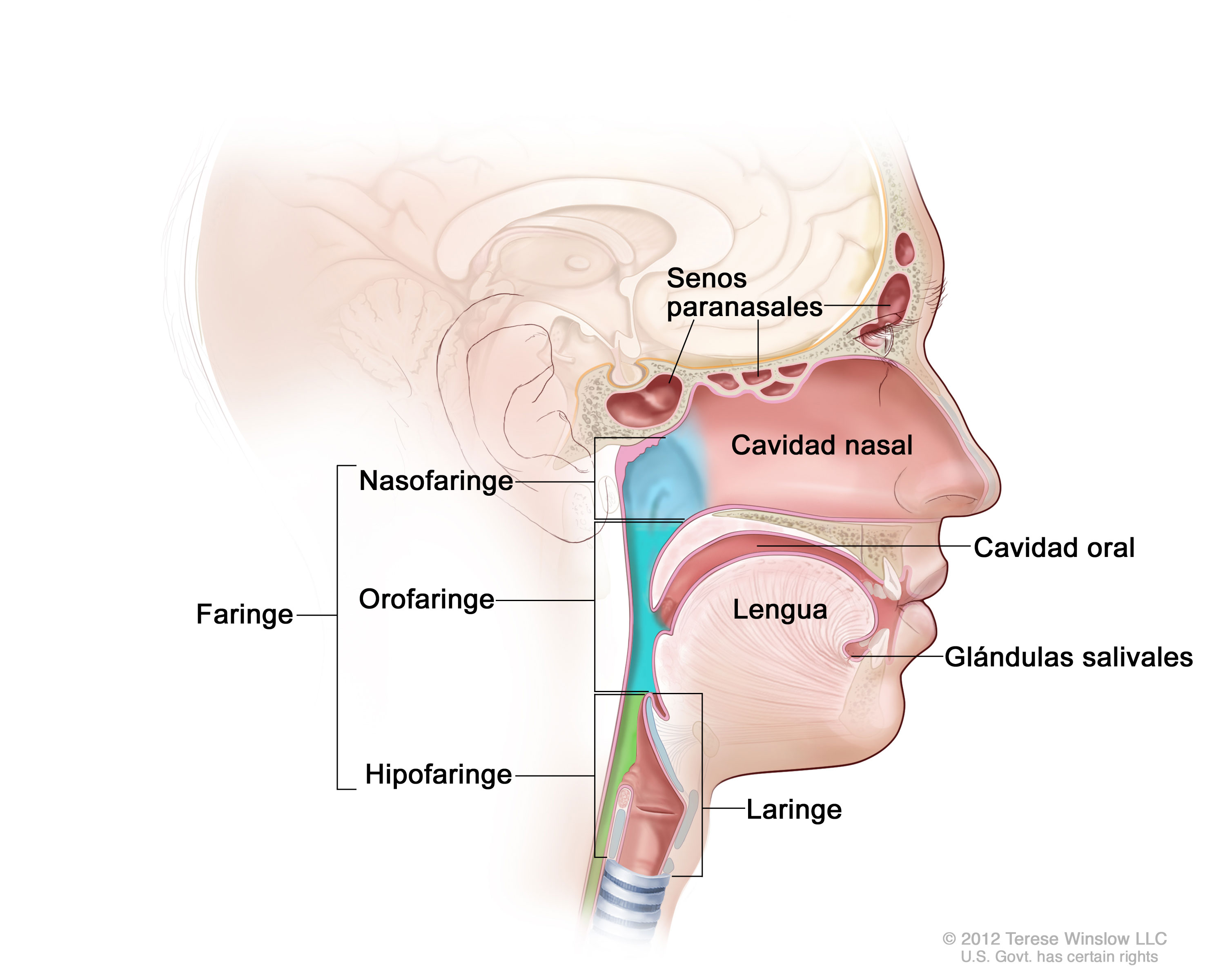
https://www.cancer.gov/PublishedContent/Images/images/cancer-types/cthp/HeadNeckCancerRegions-spanish-enlarge.jpgHan surgido patrones claros entre el consumo de alcohol y el padecimiento de los siguientes tipos de cáncer:
  • Cánceres de cabeza y cuello: El consumo de alcohol es un factor principal de riesgo de algunos cánceres de cabeza y cuello, en especial de los cánceres de la cavidad oral (sin incluir los labios), de faringe (garganta) y de laringe (4). Las personas que consumen 50 gramos de alcohol o más al día (aproximadamente 3,5 bebidas o más al día) tienen al menos un riesgo dos o tres veces mayor de padecer estos cánceres que quienes no beben (4). 
     ...


Friday, 18 November 2016

PUESTO MASTER/DOCTORADO EN BIOLOGIA MOLECULAR Y BIOMEDICINA O SIMILAR


Se integrará en un proyecto puntero en mecanismos y pronóstico personalizado del cáncer.


Con participación en publicación científica de impacto.


Interesados contactar: 
agandarillaslab@gmail.com

BIBLIOGRAFÍA ASOCIADA

>Molinuevo R, Freije A, de Pedro I, Stoll SW, Elder JT, Gandarillas A. Oncogene.
FOXM1 allows human keratinocytes to bypass the oncogene-induced differentiation checkpoint in response to gain of MYC or loss of p53. [Epub ahead of print]
doi:10.1038/onc.2016.262


>Stoll et al,  2016. Journal of Investigative Dermatology.
Membrane-Tethered Intracellular Domain of Amphiregulin Promotes Keratinocyte
Proliferation.  Feb;136(2):444-52. 
doi: 10.1016/j.jid.2015.10.061


>Stoll et al, 2016. Oncogene.
The EGF receptor ligand amphiregulin controls cell
division via FoxM1. Apr 21;35(16):2075-86.
doi: 10.1038/onc.2015.269

>Gandarillas et al, 2015. Molecular and Cellular Oncology. 
The mitosis-differentiation checkpoint, another guardian of the epidermal genome. 
Jan 21;2(3):e997127. doi: 10.1080/23723556.2014.997127.
http://www.tandfonline.com/doi/full/10.1080/23723556.2014.997127


>Freije et al, 2014. Cell Reports.
Inactivation of p53 in Human Keratinocytes Leads to Squamous Differentiation and Shedding via Replication Stress and Mitotic Slippage.
2014 Nov 20; 9(4):1349-60. doi: 10.1016/j.celrep.2014.10.012.
http://www.cell.com/cell-reports/abstract/S2211-1247%2814%2900866-3