Con base en revisiones extensas de estudios de investigación, hay un fuerte consenso científico de la asociación que hay entre beber alcohol y varios tipos de cáncer (1, 2). En su Informe sobre Carcinógenos, el Programa Nacional de Toxicología del Departamento de Salud y Servicios Humanos de los Estados Unidos incluye en la lista el consumo de bebidas alcohólicas como conocido carcinógeno
humano. La comprobación de la investigación indica que en cuanto más
alcohol bebe una persona, en particular en cuanto más alcohol bebe una
persona regularmente con el paso del tiempo, mayor será su riesgo de
presentar un cáncer asociado con el alcohol. Con base en los datos de
2009, se calcula que 3,5% de todas las muertes por cáncer en los Estados
Unidos (cerca de 19 500) están relacionadas con el alcohol (3). Han surgido patrones claros entre el consumo de alcohol y el padecimiento de los siguientes tipos de cáncer:
Cánceres de cabeza y cuello:
El consumo de alcohol es un factor principal de riesgo de algunos
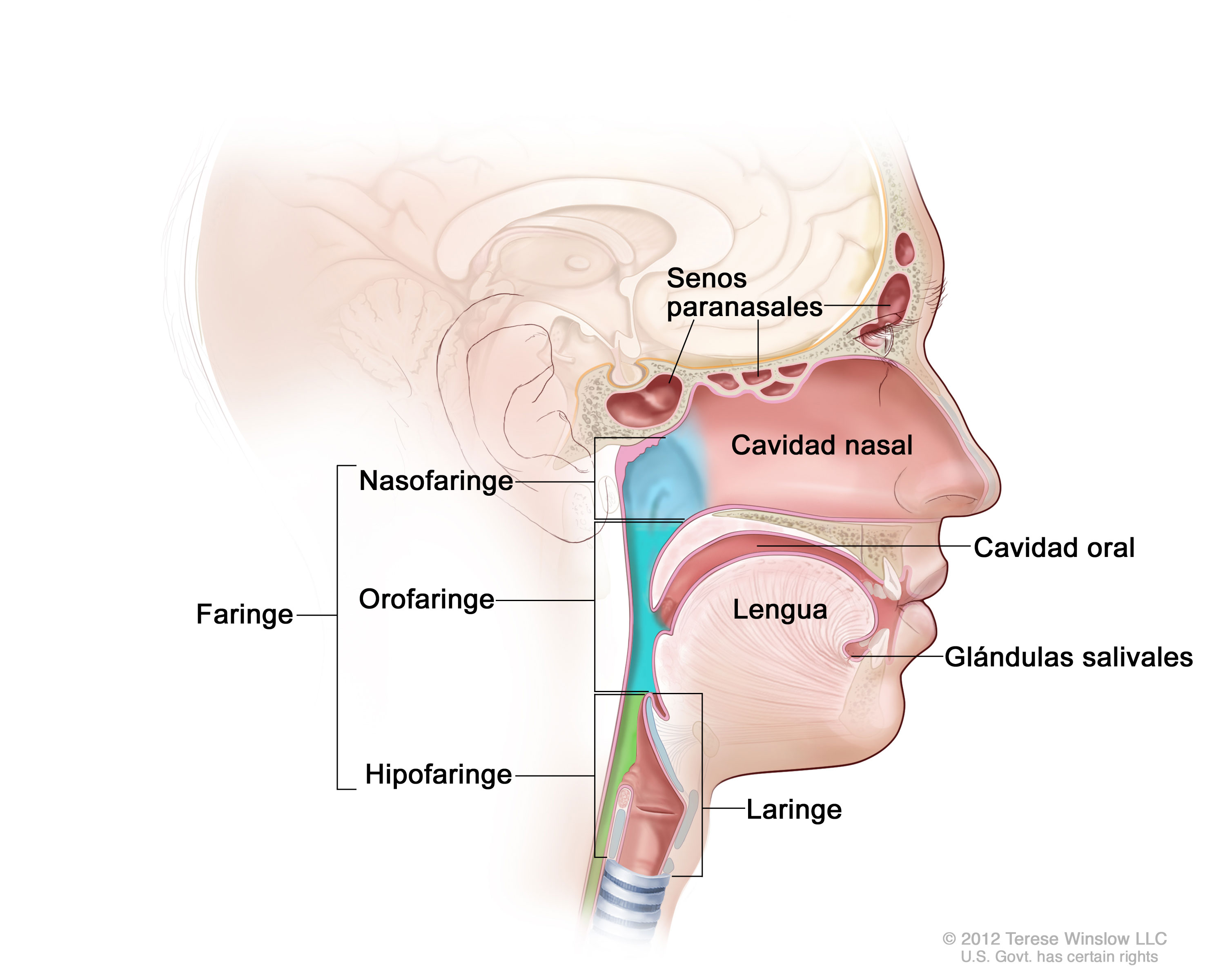
cánceres de cabeza y cuello, en especial de los cánceres de la cavidad oral (sin incluir los labios), de faringe (garganta) y de laringe (4).
Las personas que consumen 50 gramos de alcohol o más al día
(aproximadamente 3,5 bebidas o más al día) tienen al menos un riesgo dos
o tres veces mayor de padecer estos cánceres que quienes no beben (4).
Se integrará en un proyecto puntero en mecanismos y pronóstico personalizado del cáncer.
Con participación en publicación científica de impacto. Interesados contactar: agandarillaslab@gmail.com BIBLIOGRAFÍA ASOCIADA
>Molinuevo R, Freije A, de Pedro I, Stoll SW, Elder JT, Gandarillas A. Oncogene. FOXM1 allows human keratinocytes to bypass the oncogene-induced differentiation checkpoint in response to gain of MYC or loss of p53. [Epub ahead of print] doi:10.1038/onc.2016.262
>Stoll et al, 2016. Journal of Investigative Dermatology.
Membrane-Tethered Intracellular Domain of Amphiregulin Promotes Keratinocyte
>Freije et al, 2014. Cell Reports. Inactivation of p53 in Human Keratinocytes Leads to Squamous Differentiation and Shedding via Replication Stress and Mitotic Slippage.
2014 Nov 20; 9(4):1349-60. doi: 10.1016/j.celrep.2014.10.012.
Si el Premio Nobel de Química de este año galardona finalmente la
edición genómica, es posible que entre los científicos reconocidos no
esté Mojica. Esto fue, de hecho, lo que ocurrió con el Premio Princesa de Asturias de Investigación de 2015,
cuando el jurado galardonó el trabajo aplicado de Jennifer Doudna y
Emmanuelle Charpentier, y no el descubrimiento de ciencia básica de
Mojica. Sin el hallazgo del microbiólogo de la Universidad de Alicante,
posiblemente la tecnología que ha revolucionado la biología no hubiera
llegado o hubiera llegado más tarde. Sin embargo, la invención de la
herramienta de edición genómica no fue responsabilidad del científico
español, de ahí que quizás pueda quedar excluido de los elegidos.
Fuente: RTVE
Entre las razones por las que Mojica podría no ganar el tan ansiado
Nobel, existen también motivos políticos, como recogía Manuel Ansede en El País.
"Colegas extranjeros de mucho prestigio me dicen que no tengo ninguna
posibilidad, por ser de la Universidad de Alicante y por ser de España”,
declaraba Mojica. En opinión de Jorge Barrero, director general de la Fundación Cotec, "de la observación del mundo de los Nobel parece deducirse que hay circuitos de influencia".
No es el único motivo que explica que Francis Mojica pudiera no entrar
en la terna de ganadores, pero es verdad que también existe una
correlación entre la apuesta que realiza un país por su ciencia y el
número de Premios Nobel.
La investigación en nuestro país ha retrocedido una década hasta situar a España a la cola de los países occidentales en cuanto a inversión en I+D.
El hecho de que Mojica haya estado en las quinielas ya debería ser
considerado un triunfo, que llevara a la clase política a apostar de
forma decidida por la ciencia como motor de futuro. "El éxito es haber
descubierto y lanzado las CRISPR al mundo", explica Montoliu a Hipertextual.
Que Mojica no haya ganado el Nobel hoy puede dejar un sabor agridulce,
pero debería servir para reconocer que las regiones más avanzadas lo son
porque apuestan por la I+D+i. "Es un éxito todo el ruido mediático
conseguido y el reconocimiento al trabajo de alguien hace veinte años
que hoy tiene un impacto tremendo", concluye el científico del Centro
Nacional de Biotecnología.
Oncogene advance online publication 25 July 2016; doi: 10.1038/onc.2016.262
FOXM1 allows human keratinocytes to bypass the
oncogene-induced differentiation checkpoint in response to gain of MYC
or loss of p53
Open
R Molinuevo1, A Freije1, I de Pedro1, S W Stoll2, J T Elder2,3 and A Gandarillas1,4
1Cell Cycle, Stem Cell Fate and Cancer Laboratory, Institute of Research Marqués de Valdecilla (IDIVAL), Santander, Spain
2Department of Dermatology, University of Michigan, Ann Arbor, MI, USA
3Department of Ann Arbor Veterans Affairs Health System, Ann Arbor, MI, USA
4INSERM, Languedoc-Roussillon, Montpellier, France
Correspondence:
Dr A Gandarillas, Cell Cycle, Stem Cell Fate and Cancer Laboratory,
Institute of Research Marqués de Valdecilla (IDIVAL), Cardenal Herrera
Oria s/n, Santander, Cantabria 39011, Spain. E-mail: agandarillas@idival.org
Received 28 October 2015; Revised 2 June 2016; Accepted 16 June 2016
Advance online publication 25 July 2016
Abstract
Tumour
suppressor p53 or proto-oncogene MYC is frequently altered in squamous
carcinomas, but this is insufficient to drive carcinogenesis. We have
shown that overactivation of MYC or loss of p53 via DNA damage triggers
an anti-oncogenic differentiation-mitosis checkpoint in human epidermal
keratinocytes, resulting in impaired cell division and squamous
differentiation. Forkhead box M1 (FOXM1) is a transcription factor
recently proposed to govern the expression of a set of mitotic genes.
Deregulation of FOXM1 occurs in a wide variety of epithelial
malignancies. We have ectopically expressed FOXM1 in keratinocytes of
the skin after overexpression of MYC or inactivation of endogenous p53.
Ectopic FOXM1 rescues the proliferative capacity of MYC- or p53-mutant
cells in spite of higher genetic damage and a larger cell size typical
of differentiation. As a consequence, differentiation induced by loss of
p53 or MYC is converted into increased proliferation and keratinocytes
displaying genomic instability are maintained within the proliferative
compartment. The results demonstrate that keratinocyte oncogene-induced
differentiation is caused by mitosis control and provide new insight
into the mechanisms driving malignant progression in squamous cancer.
The
role of p53, the original "guardian of the genome", in skin has
remained elusive. We have explored p53 function in human epidermal cells
and demonstrated the importance of a mitosis-differentiation checkpoint
to suppress potentially precancerous cells. This model places epidermal
endoreplication as an antioncogenic mechanism in the face of irreparable genetic alterations.
KEYWORDS:
DNA damage; DNA repair; MDC; OID; mitotic slippage; replication stress
El cambio de la economía del ladrillo a la del conocimiento
Los milagros, los pactos y la ciencia en España
Imagen de archivo de dos investigadores trabajando en el laboratorio. ANTONIO HEREDI Treinta años dedicado a la
investigación. Casi increíble. Miro hacia atrás y repaso la lista de
personas que comenzaron esta carrera conmigo o que después intenté
formar, compartiendo mis puntos de vista, dándoles opiniones,
información y ánimo con más o menos fortuna. Ya sabemos que sólo uno puede ganar una carrera pero casi todos, a no ser que se produzca una desgracia, llegan a la meta. En la ciencia española no es así. Alguno
podría decir que muchos son los llamados y pocos son los elegidos.
¿Dónde queda el cambio de la economía del ladrillo a la del
conocimiento? La escasa oferta pública de empleo ratifica año a año de
forma más contundente, como si fuera un martillo pilón, recordándonos
machaconamente aquello de "que inventen ellos". Para inventar, guste o
no, hay que investigar. Muchas, más de las que se imaginan, de las
publicaciones de científicos españoles se citan y utilizan en procesos
que se patentan en otros países. Invertimos en beneficiar a competidores. Es
cierto que se ha conseguido mucho y ahí están los datos que lo
demuestran y por eso España ocupa el undécimo lugar del mundo en
publicaciones por número y calidad y el decimoséptimo en patentes, pero
también es cierto que la financiación y el número de investigadores están retrocediendo
de forma excesivamente rápida a niveles de hace muchos años. Además,
las perspectivas económicas extienden la sensación de que una vez más la
ciencia sufrirá los recortes. Estos días, la investigación
aparece tímidamente en las negociaciones y en los documentos de las
distintas formaciones políticas para conseguir apoyos cara a un nuevo
gobierno. Una vez más, se menciona el famoso pacto por la ciencia del
que los políticos nos hablan desde los tiempos de Josep Piqué en el
Ministerio de Ciencia y Tecnología. Debe ser un pacto complicado porque
desde los años 2002 y 2003, el dichoso pacto aparece y desaparece como
la bruja de los guiñoles con gran susto para el público asistente. Desde
mi modesta opinión el pacto es muy sencillo y se debería concretar al
menos en garantizar el mantenimiento de un calendario en las
convocatorias de proyectos de investigación con una financiación
razonable, mejorando la agilidad en la gestión de esos fondos y sobre
todo concretando una oferta de empleo, funcionarial o laboral, que
consiga la renovación de las plantillas del personal investigador
español. El hecho de que la media del personal investigador y técnico
del CSIC esté en torno a los 55 años es cuando menos digno de figurar en
una película de Alex de la Iglesia. Recuerden que a los 65 el
investigador tiene la opción de jubilarse y a los 70 la obligación de
hacerlo. En este país que un investigador se estabilice
profesionalmente entra dentro de la categoría de milagro. Como los
milagros son excepcionales, la consecuencia es obvia: formamos buenos
profesionales que, si pueden, se van a otros países con gran sacrificio y
frustración y además espantamos a las posibles vocaciones de
investigadores. Si examinamos los resultados de las últimas oposiciones
al CSIC, concluiremos que para conseguir un trabajo de investigador
estable en este país se necesita haber cumplido los cuarenta, tener un curriculum tan extenso como los de catedrático o investigador de hace pocos años y que se produzca el milagro. Si
cada año se convocan unos 175 contratos Ramón y Cajal que deberían ser
la antesala de la estabilidad profesional, y las ofertas de empleo de
investigador en los últimos años han sido aproximadamente de 80, 25, 8 y
100 en los Organismos Públicos de Investigación y un número
proporcional equivalente en el Sistema Universitario del Estado hay más
investigadores cualificados que oferta de estabilidad. Por otra parte la inversión privada en investigación es muy limitada.
Hay que conseguir que para el sector privado invertir en investigación
sea beneficioso y por lo tanto atractivo. Asunto pendiente para tratar
en otro momento. Por supuesto el Estado tiene prioridades como la
Sanidad, la Educación, la atención a los discapacitados o las
infraestructuras, pero no debe olvidar que el gasto en investigación es
el plan de pensiones de la sociedad española y su garantía de un futuro
mejor. (*) Antonio Figueras es profesor de
investigación en el Instituto de Investigaciones Marinas de Vigo y ex
vicepresidente del Consejo Superior de Investigaciones Científicas
(CSIC).
The epidermal growth factor receptor (EGFR) and its ligands are essential regulators of epithelial biology, which are often amplified in cancer cells. We have previously shown that shRNA-mediated silencing of one of these ligands, amphiregulin (AREG), results in keratinocyte growth arrest that cannot be rescued by soluble extracellular EGFR ligands. To further explore the functional importance of specific AREG domains, we stably transduced keratinocytes expressing tetracycline-inducible AREG-targeted shRNA with lentiviruses expressing silencing-proof, membrane-tethered AREG cytoplasmic and extracellular domains (AREG-CTD and AREG-ECD), as well as full-length AREG precursor (proAREG). Here we show that growth arrest of AREG-silenced keratinocytes occurs in G2/M and is significantly restored by proAREG and AREG-CTD but not by AREG-ECD. Moreover, the AREG-CTD was sufficient to normalize cell cycle distribution profiles and expression of mitosis-related genes. Our findings uncover an important role of the AREG-CTD in regulating cell division, which may be relevant to tumor resistance to EGFR-directed therapies.
In first rows invited speakers Jesús Paramio, Phil Jones, Georges Cotsarelis, Jakub Tolar, Ander Izeta, Erwin Wagner, Allan Balmain. At the middle front the organisers Alberto Gandarillas, Dennis Roop and José Luis Jorcano.
Epidermal growth factor receptor (EGFR) is central to epithelial cell physiology, and deregulated EGFR signaling has an important role in a variety of human carcinomas. Here we show that silencing of the EGF-related factor amphiregulin (AREG) markedly inhibits the expansion of human keratinocytes through mitotic failure and accumulation of cells with ⩾4n DNA content. RNA-sequencing-based transcriptome analysis revealed that tetracycline-mediated AREG silencing significantly altered the expression of 2331 genes, 623 of which were not normalized by treatment with EGF. Interestingly, genes irreversibly upregulated by suppression of AREG overlapped with genes involved in keratinocyte differentiation. Moreover, a significant proportion of the irreversibly downregulated genes featured upstream binding sites recognized by forkhead box protein M1 (FoxM1), a key transcription factor in the control of mitosis that is widely dysregulated in cancer. The downregulation of FoxM1 and its target genes preceded mitotic arrest. Constitutive expression of FoxM1 in AREG knockdown cells normalized cell proliferation, reduced the number of cells with ⩾4n DNA content and rescued expression of FoxM1 target genes. These results demonstrate that AREG controls G2/M progression and cytokinesis in keratinocytes via activation of a FoxM1-dependent transcriptional program, suggesting new avenues for treatment of epithelial cancer.Oncogene advance online publication, 3 August 2015; doi:10.1038/onc.2015.269.
Thursday, 4 June 2015
The functions We are often questioned over the functions of endoreplication. This has been addressed in good research models, such as drosophila or plant epidermis [3, 56]. Briefly, the potential functions in which mitotic slippage and endoreplication might be involved in human skin are as follows: 1- By accumulating growth without division, suprabasal keratinocytes become larger [4, 54]. 2- By amplifying gene copy number, epidermal cells can more efficiently produce RNA and proteins needed for the differentiated phenotype [57]. 3- By increasing cellular size, it limits the number of cells needed to cover the same surface, thus diminishing the number of cell divisions in the basal layer and the probability of transforming mutations (Fig. 1b; [22]). 4- By uncoupling the initiation of differentiation from cell cycle arrest, the epidermis, permanently exposed to DNA insult, possesses a mechanism to suppress proliferation and expel cells through squamous differentiation even if the nucleus is actively cycling. Endoreplication unravels a dynamic link between active cell cycle and the initiation of differentiation through mitosis checkpoints that might function as an anti-oncogenic self-defense mechanism (Fig. 1b and Fig. S2b). Our results show not only that differentiating keratinocytes continue on cycle, but furthermore that cell cycle hyperactivation leads to differentiation [22, 47]. Thus, as a continuum, cell growth is translated first into proliferation and second into differentiation (Fig. 2a,b and Fig. S2b). As far as a hundred years ago, Loeb and Addison suggested that a relationship existed between the skin structure and its proliferative power (Quotation S4; [7, 85, 86]). Endoreplication can make this relationship by automatically coordinating proliferation with differentiation as an orchestra, even upon hyperproliferative signals (Fig. 1b).
In EXPERIMENTAL DERMATOLOGY
Viewpoint
You have free access to this content
Cycling up the epidermis: reconciling 100 years of debate
 Han surgido patrones claros entre el consumo de alcohol y el padecimiento de los siguientes tipos de cáncer:


